
On Friday afternoon the lot looks fine. Over the weekend a cold rain settles in, temperatures drop overnight, then climb again by midday. By Monday morning a delivery truck drops a wheel into a pit that was not there four days earlier, and the property manager is fielding a call about a damaged vehicle.
Nothing mysterious happened. Freeze-thaw cycling did what it does every winter across the St. Louis metro, on both sides of the river, to pavement that already had a way for water to get in. The damage only becomes visible all at once, which is why it feels sudden even though it has been building for weeks.
This article explains the mechanism, the warning signs worth looking for, and what is still possible in November so the thaw does not catch your property off guard.
In this article:
- The Mild Winter Day That Does More Damage Than the Coldest One
- How Water Gets Into a Parking Lot That Looks Intact
- What Happens Inside the Pavement Every Time Water Freezes
- Why Pothole Season Starts Months Before the Potholes Appear
- Warning Signs That Freeze-Thaw Damage Is Already Underway
- Prevention That Works: Closing the Door Before Water Finds It
- What Property Managers Can Still Do in November and Through Winter
- Plowing, Deicers, and Drainage: Winter Habits That Help or Hurt
- Let’s Get Your Lot Through the Thaw
The Mild Winter Day That Does More Damage Than the Coldest One
Most people assume the coldest stretch of winter is the most dangerous for pavement. It usually is not. A steady deep freeze keeps water locked in place and the pavement relatively stable. The damage comes from the swings.
Missouri and Illinois winters cross back and forth over the freezing point repeatedly, sometimes more than once in a single day. Every crossing is another round of freezing and thawing inside the asphalt and the soil beneath it. A winter full of mild spells and sudden cold snaps can be harder on a parking lot than one that is simply cold. As Taylor Hopkins at K&K Contracting puts it, property managers should worry less about how cold the forecast looks and more about how often it changes its mind.
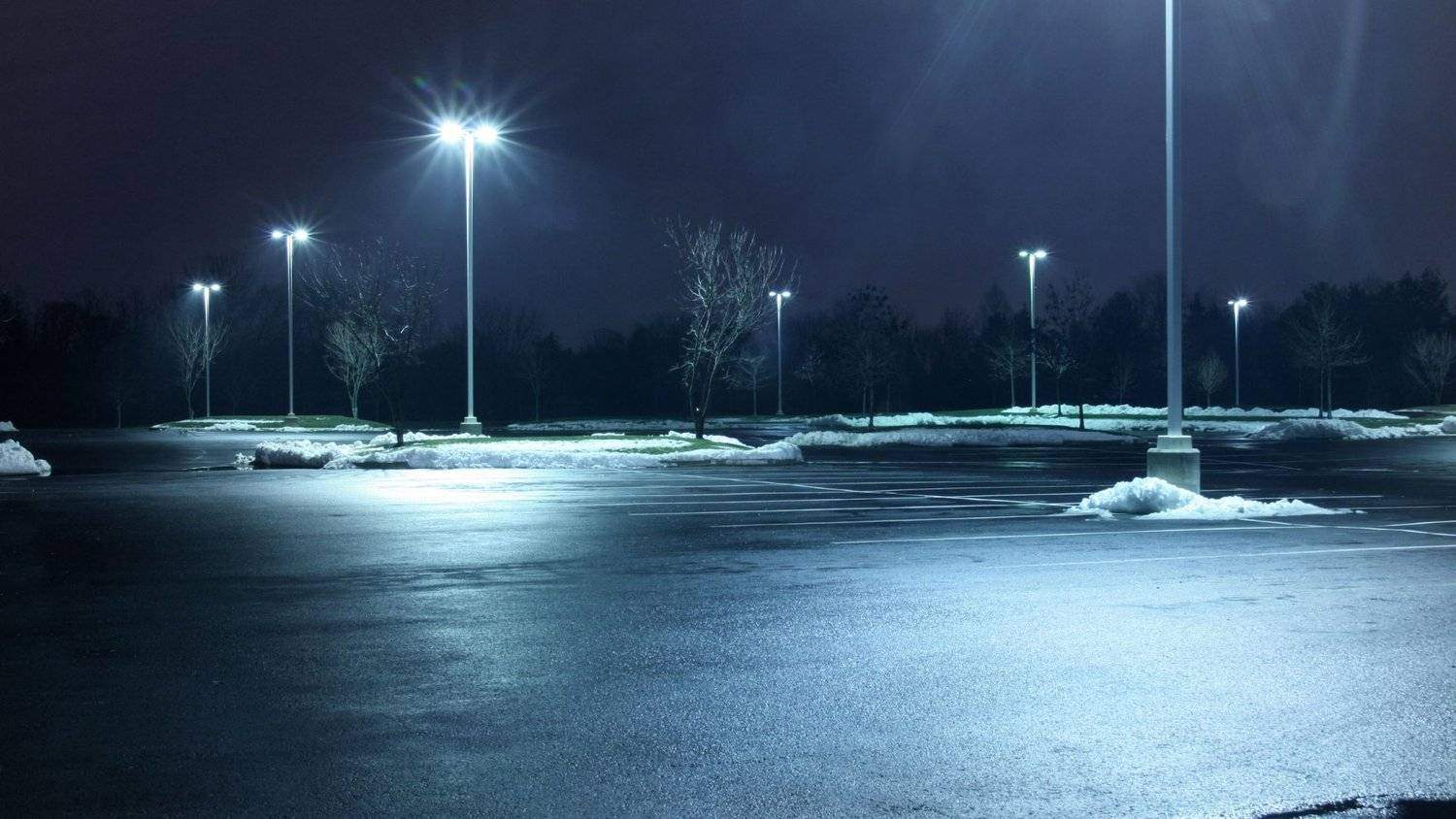
How Water Gets Into a Parking Lot That Looks Intact
Freeze-thaw damage needs one thing to start: water that can get inside. On a commercial lot, that entry point is rarely dramatic. It is usually one of these:
- Cracks of any width in drive lanes and parking stalls
- Joints between paving passes and along utility cuts
- Edges where asphalt meets curbs, islands, and landscaping
- A surface that has oxidized and become porous
- Low spots and settled areas around catch basins where water ponds
The soil underneath matters too. Many of the clay-heavy soils common across the metro hold moisture rather than draining it, so water that gets past the surface tends to stay in the base instead of leaving.
What Happens Inside the Pavement Every Time Water Freezes
Water that enters a crack or a pore freezes and expands, pushing the sides of the opening apart and breaking the bond between aggregate and asphalt binder. When it thaws, the water drains a little deeper, and the next freeze starts from a larger opening. Each cycle widens the damage a little more.
The base is where it gets serious. In moisture-holding soils, freezing draws water toward the cold front and builds ice that can lift sections of pavement, which is frost heave. When the ice melts, the water often cannot drain downward because the ground below is still frozen. The base ends up saturated and soft while the pavement above keeps carrying cars, trucks, and deliveries. A surface that depends on a firm foundation is suddenly sitting on a wet one.
Why Pothole Season Starts Months Before the Potholes Appear
Potholes show up in late winter and spring because that is when the base is at its weakest. Traffic over a saturated base flexes the asphalt repeatedly, pumping water and fine material up through existing cracks. The surface fatigues, pieces break loose, and a pit forms. The visible failure is the final step of a process that began with a small crack the previous fall.
This is also why patches placed in the middle of winter are almost always temporary. The material goes into pavement that is still wet, cold, and moving, so it rarely bonds the way a proper repair does. Treat a winter patch as a way to keep people safe until a real repair is possible, not as the fix.
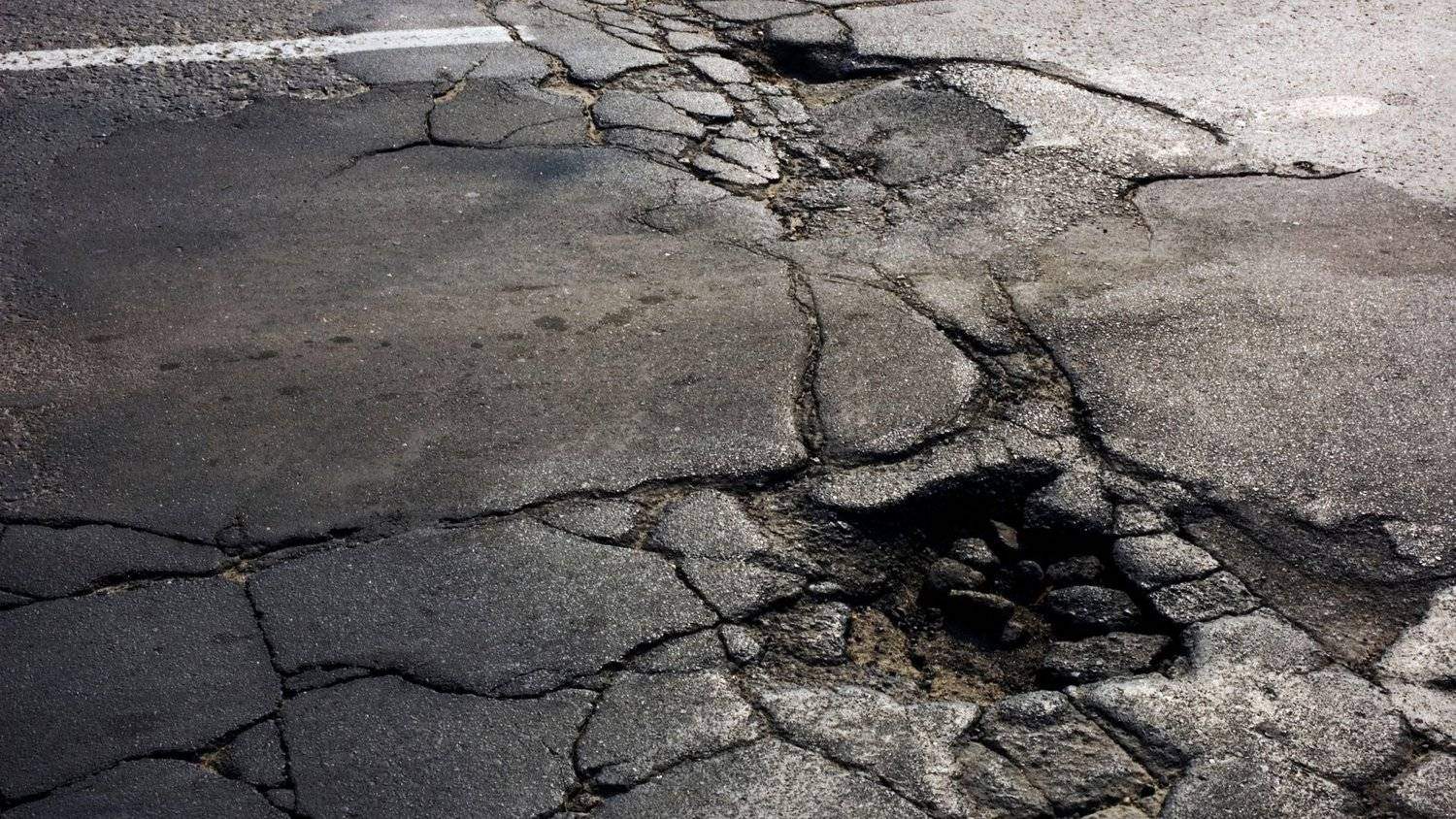
Warning Signs That Freeze-Thaw Damage Is Already Underway
A walk of the property after a thaw, or after a rain that follows a cold night, shows what a dry inspection hides. Look for:
- Interconnected cracking that resembles alligator skin
- Cracks with raised, broken, or crumbling edges
- Stains or fine material around cracks after rain, a sign water is being pumped up from the base
- Puddles that linger well after the rest of the lot has dried
- Crumbling along curbs, islands, and walkway borders
- Sunken or heaved sections that were level the previous season
- Loose aggregate collecting on the surface
Prevention That Works: Closing the Door Before Water Finds It
Prevention comes down to keeping water out and getting rid of it quickly when it does land on the lot. Crack sealing is the most direct tool, because it fills the openings that water uses to reach the base. A crack sealed in fall has time to bond before the hard freezes begin, and the cycle never gets started.
Sealcoating supports that work by slowing the oxidation that makes asphalt brittle and porous, and by adding a protective layer against water and UV exposure. It is worth being precise about its limits, though. Sealcoat does not repair structural damage, and it does not stop water that is already entering through open cracks. That is why sealing cracks first and coating second is the order that actually protects the pavement. K&K Contracting evaluates both together on commercial lots so the maintenance plan matches what the pavement needs instead of selling one service as a cure-all.
Drainage completes the picture. Correcting low spots and keeping catch basins working matters as much as anything done to the surface, since water that cannot leave the lot is water that will eventually find the base.
What Property Managers Can Still Do in November and Through Winter
Here is the honest part. By November, major repairs are largely off the table for the season, because hot mix asphalt needs warm conditions to compact and bond properly. Some crack sealing may still be possible on milder days, and a contractor can tell you quickly whether your site qualifies. For everything else, November is about reducing risk and setting up spring:
- Walk the lot, photograph problem areas, and note where water collects
- Clear leaves and debris from catch basins and drainage paths so meltwater has somewhere to go
- Mark or cone off hazardous potholes and use temporary patching only as a short-term safety measure
- Log which areas get worse after each thaw, since that tells you where the base is failing
- Request spring estimates early so asphalt repair for base failures gets on the schedule before every other property calls
Plowing, Deicers, and Drainage: Winter Habits That Help or Hurt
How a lot is managed in winter changes how much freeze-thaw cycling it endures. A few habits are worth building into your snow plan:
- Keep plow blades from gouging edges and raised spots, since broken edges become new entry points for water
- Avoid piling snow on catch basins or in low spots, because the melt ponds and refreezes on the lot
- Direct meltwater away from the pavement rather than across it
- Use deicers deliberately, since melting ice can refreeze and add more cycles at the surface
None of this replaces repairs, but it keeps a lot with minor damage from turning into one with major damage before spring.
Let’s Get Your Lot Through the Thaw
Freeze-thaw damage is predictable. It follows water, and water follows cracks, soft spots, and poor drainage. The properties that come out of winter with the fewest surprises are the ones that identified those weak points early and had a plan ready for spring.
K&K Contracting works with commercial and industrial properties on both the Missouri and Illinois sides of the St. Louis metro. Taylor Hopkins and the team will walk your lot, tell you plainly what can be done now and what should wait, and give you a clear timeline with no surprises. Call (618) 381-8619 to schedule a pavement assessment before the thaw starts.