
Every property manager in the region has seen the same thing happen. A parking lot looks fine going into November, then the first real freeze hits, and by March there are potholes in spots nobody flagged the fall before. It is not bad luck. It is what happens when small pavement damage sits through a Missouri winter with nobody addressing it while the weather still allowed for it.
Fall is not just another maintenance window. It is the last stretch of the year when temperatures still support the kind of repair work that actually holds up, which makes the next several weeks the difference between a manageable maintenance bill and a much larger one once the ground thaws.
In this article:
- Why Fall Is the Last Real Window Before Missouri Winter Changes the Rules
- What Freeze-Thaw Cycles Actually Do to Neglected Asphalt
- The Fall Inspection Checklist Every Property Manager Should Run
- Sealcoating Before the First Freeze: Why Timing Matters More Than People Think
- Crack Sealing Now Versus Water Damage Later
- Drainage Problems That Only Show Up After the First Hard Rain
- Line Striping and Visibility Heading Into Shorter Daylight Hours
- Building a Fall Maintenance Timeline That Doesn’t Wait Until It’s Too Late
- Schedule Your Fall Pavement Assessment
Why Fall Is the Last Real Window Before Missouri Winter Changes the Rules
Asphalt repair, crack sealing, and sealcoating all depend on temperature to cure and bond correctly. Once nighttime temperatures drop far enough, materials stop compacting and adhering the way they are supposed to, which means a repair rushed through in December often fails faster than the damage it was meant to fix. Property managers who wait until a tenant complains or a lease renewal inspection flags a problem frequently find out that it is already too late in the season to do the job right.
The properties that avoid this pattern treat fall as the deadline it actually is. Repairs, sealing, and coating work all need to happen while the weather still cooperates, not after.
What Freeze-Thaw Cycles Actually Do to Neglected Asphalt
Missouri sits in a climate zone where winter temperatures swing above and below freezing repeatedly rather than staying consistently cold. That pattern is harder on pavement than a steady deep freeze would be. Water that has worked its way into a crack expands as it freezes, prying the crack wider. When temperatures rise again, the water melts, seeps deeper, and refreezes on the next cold night, widening the damage a little further each cycle.
A crack that looked cosmetic in October can become a structural entry point for water by February, and once water reaches the base layer beneath the asphalt, it can loosen the soil and compromise the support structure the entire surface depends on. This is why cracks that seem minor going into winter are treated as priorities during fall inspections rather than deferred to spring.
The Fall Inspection Checklist Every Property Manager Should Run
A thorough walk of the property before the weather turns should cover more than the obvious potholes. Look for:
- Cracks of any width along drive lanes, parking stalls, and entrances
- Areas where water pools and takes noticeably longer to drain than the surrounding surface
- Faded or worn sealcoat, especially in high traffic lanes and near entrances
- Edge cracking or crumbling along curbs, islands, and landscaped borders
- Uneven or sunken sections that suggest base settlement
- Faded crosswalk, stop bar, or ADA-compliant striping
Every item on that list gets significantly harder and more expensive to correct once winter sets in, which is exactly why the inspection needs to happen now rather than being scheduled for whenever it becomes convenient.
Sealcoating Before the First Freeze: Why Timing Matters More Than People Think
Sealcoating creates a protective layer that shields the asphalt binder from UV exposure, oxidation, and water penetration, but it only works if it is applied while temperatures still allow it to cure properly. Applying sealcoat too close to the first freeze, when many property managers finally get around to scheduling it, often means the material never fully sets before cold weather arrives, which defeats much of the purpose.
The counterintuitive part, as Taylor Hopkins at K&K Contracting points out, is that earlier is almost always better than later when it comes to fall sealcoating, even if the pavement does not look like it urgently needs it yet. Waiting for visible fading or obvious wear before scheduling sealcoating usually means scheduling it right at the edge of the window when it can no longer cure the way it should.
Crack Sealing Now Versus Water Damage Later
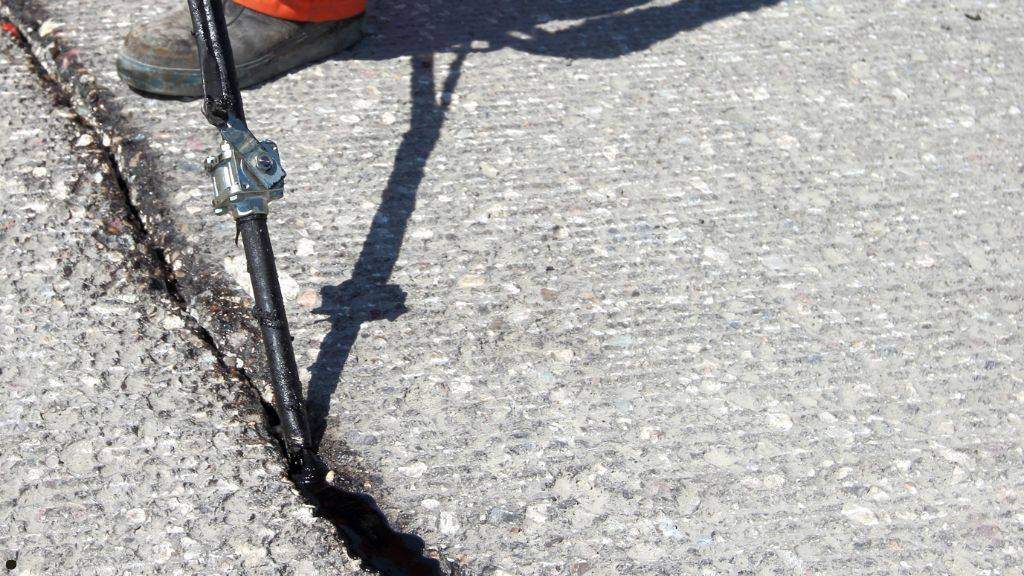
Crack sealing is one of the highest return maintenance investments a commercial property can make heading into winter, because it directly addresses the mechanism that causes freeze-thaw damage. Sealing a crack closes off the pathway water would otherwise use to reach the base, which stops the cycle of expansion and widening before it starts.
This matters more in fall than at any other point in the year. A crack sealed in September has months to bond and hold before the first hard freeze tests it. The same crack left open through winter can grow into a repair that costs far more time and disruption to fix once the ground thaws in spring.
Drainage Problems That Only Show Up After the First Hard Rain
Fall rain patterns tend to reveal drainage issues that stayed hidden all summer. A low spot that seemed minor during a light July shower can turn into standing water after a heavier fall storm, and water that lingers on the surface has more time to seep into any nearby cracks or joints. Once that water reaches the base and winter arrives, freeze-thaw cycling turns a drainage nuisance into a structural one.
Walking the property after a rain event, rather than only during dry weather, is one of the more overlooked steps in a fall maintenance routine. Areas that hold water longer than the surrounding pavement are worth flagging even if nothing looks visibly damaged yet.
Line Striping and Visibility Heading Into Shorter Daylight Hours
As daylight hours shrink through the fall, more tenants, customers, and delivery drivers are navigating a property in low light or after dark. Faded parking stall lines, worn stop bars, and unclear directional arrows become harder to see exactly when visibility conditions are working against everyone using the lot. Refreshing line striping alongside other fall maintenance is a low cost way to reduce confusion and liability risk during the darker months ahead.
Building a Fall Maintenance Timeline That Doesn’t Wait Until It’s Too Late
The properties that get through winter with the fewest surprises are the ones that treat fall maintenance as a sequence rather than a single event. Inspection comes first, since it determines what actually needs attention. Structural repairs and crack sealing follow, since those need time to cure before sealcoating goes down. Sealcoating and striping come last, once the surface beneath them is sound.
Trying to compress all of that into a single rushed visit in late November rarely produces the same results as spacing it out earlier in the season, and a contractor who gives a clear, honest timeline for each phase makes it far easier for a property manager to plan the work around tenants and traffic instead of scrambling to fit it in before the weather turns.
Schedule Your Fall Pavement Assessment
Winter does not wait for a maintenance budget to get approved, and neither does freeze-thaw damage. The properties that come through March without a list of surprise repairs are almost always the ones that walked their lots in September or October and acted on what they found.
K&K Contracting works with commercial and industrial properties across both the Missouri and Illinois sides of the St. Louis metro, with the same straightforward approach to timelines and recommendations on every fall assessment.
Call (618) 381-8619 to schedule your property’s fall pavement assessment before the weather turns.