
The first week of school looks nothing like the rest of the year. Buses line up three deep along the drive lane, parents crowd the pickup loop in cars that were not there all summer, and hundreds of kids funnel through the same walkways at the same few minutes every morning. Whatever damage the pavement quietly picked up in June and July gets discovered all at once, usually by a parent’s tire or a student’s ankle.
That is the part administrators and facilities directors underestimate. A cracked corner of a parking lot that nobody noticed in July becomes a genuine hazard the moment foot traffic and vehicle traffic both spike in the same week. Waiting until a problem gets reported after the bell rings means fixing it under pressure, with buses already running and parents already watching.
- The Back-to-School Rush Exposes Damage Summer Left Behind
- Why School Parking Lots and Walkways Take Different Kinds of Abuse
- The Hidden Liability Risk Schools Face When Pavement Repairs Wait
- Repair, Resurface, or Reconstruct: Matching the Fix to the Damage
- Walkways and Crosswalks Deserve Their Own Inspection Checklist
- Why Late Summer Is the Right Window for School Pavement Repairs
- Building a Maintenance Plan That Doesn’t Interrupt the School Calendar
- Let’s Get Your Campus Ready Before the First Bell
The Back-to-School Rush Exposes Damage Summer Left Behind
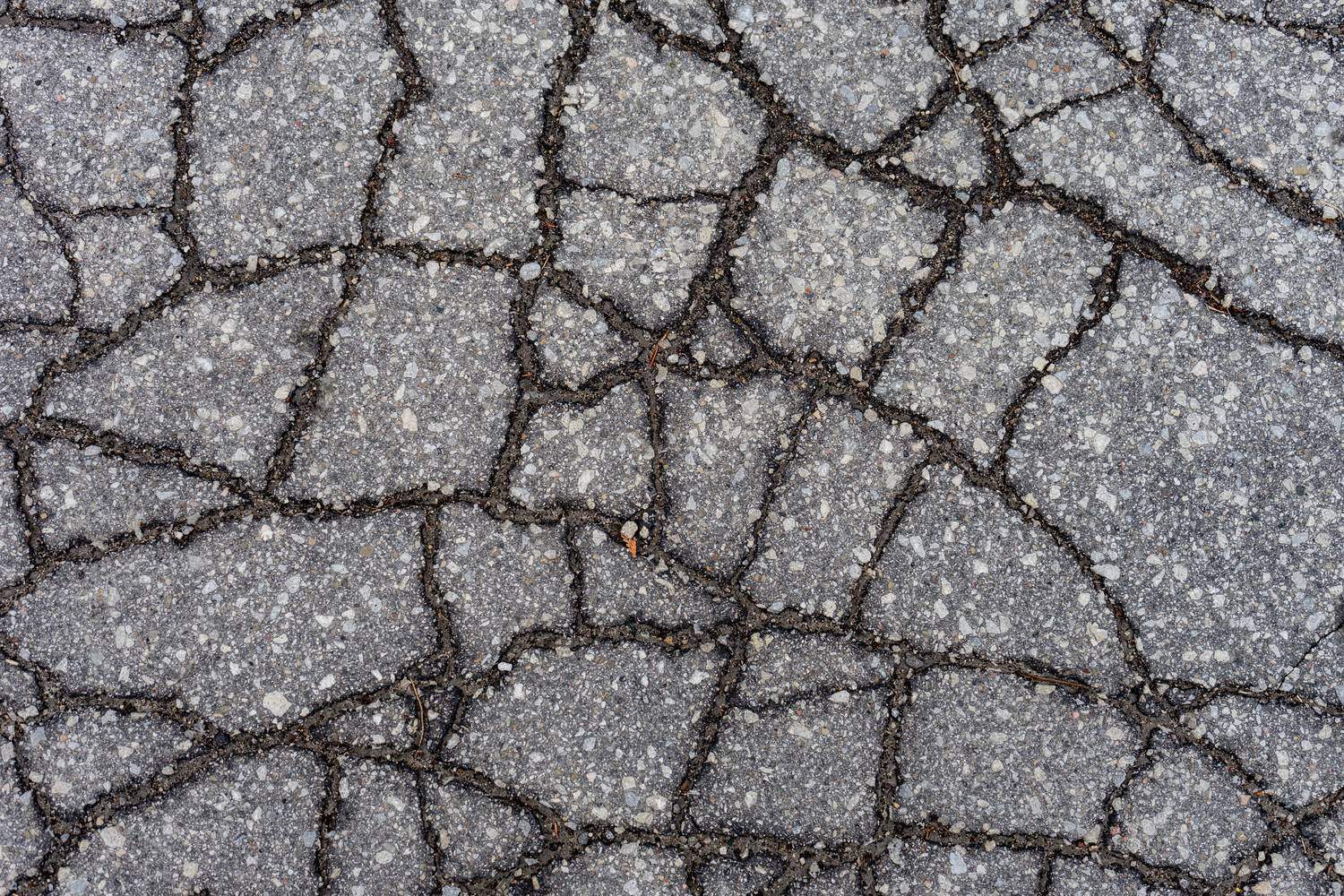
Asphalt does most of its damage quietly. Through a St. Louis area summer, pavement expands under heat during the day and contracts as it cools overnight. That repeated movement works on any existing crack or joint, widening it a little at a time. UV exposure oxidizes the surface, which makes the asphalt more brittle and less able to flex under load. None of this looks urgent in isolation. A hairline crack in June is easy to walk past.
The problem is that a campus sitting mostly empty for ten weeks gives that slow deterioration time to spread without anyone noticing. Then September arrives, and the same lot that saw light staff traffic all summer suddenly absorbs bus routes, car pickup lines, delivery trucks, and hundreds of pedestrians navigating it twice a day. Weak spots that held up fine under low use often fail visibly within the first few weeks of a full schedule.
Why School Parking Lots and Walkways Take Different Kinds of Abuse
Most commercial properties deal with steady, predictable traffic throughout the day. School campuses do not work that way. Pavement here takes concentrated punishment in short windows: a flood of vehicles at drop off, another flood at pickup, and heavy bus weight rolling repeatedly over the same drive lanes and turning points. Those repeated, concentrated loads stress the pavement structure in ways that spread-out traffic never does, and it is usually the entrances, bus lanes, and turning radii that show wear first.
Walkways carry a different kind of risk entirely. A crack or a raised edge that a car simply rolls over becomes a trip hazard for a student walking while looking at a phone, carrying a backpack, or moving in a crowd with limited ability to watch the ground. Walkway damage does not need to be severe to cause an injury. It just needs to be unexpected.
The Hidden Liability Risk Schools Face When Pavement Repairs Wait
Every facilities director already knows a fall on school property brings scrutiny that a fall in an empty office parking lot never would. Parents, staff, and district administration all ask the same question after an incident: was this damage known about beforehand. A pothole or a heaved section of walkway that had already been flagged internally and left unaddressed puts the district in a much harder position than one that genuinely surprised everyone.
This is where a straightforward approach pays off. As Taylor Hopkins at K&K Contracting puts it, the schools that avoid trouble are the ones that treat pavement inspection as part of their back-to-school checklist, right alongside fire drills and bus route planning, not as something that only gets attention after a complaint comes in.
A quick-reference list for facilities teams walking the property before the first day:
- Cracks wider than a pencil along walkways, ramps, and crosswalks
- Potholes or depressions near bus lanes, drop off loops, and drive lane entrances
- Standing water that lingers well after the rest of the lot has dried
- Faded or missing crosswalk markings, stop bars, and ADA-compliant striping
- Loose gravel or crumbling edges along curbs and walkway borders
- Uneven transitions between asphalt and concrete at building entrances
Repair, Resurface, or Reconstruct: Matching the Fix to the Damage
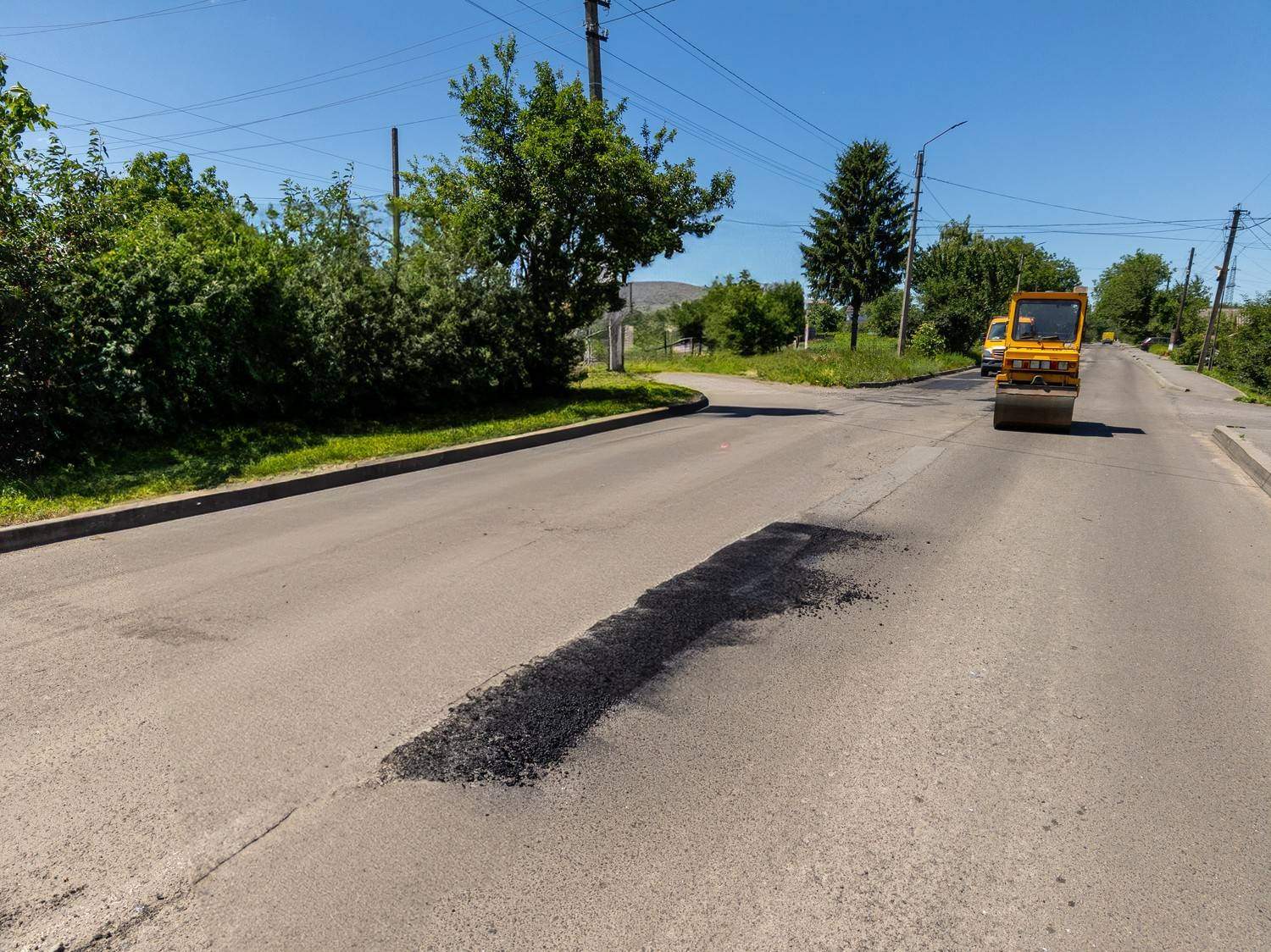
Not every problem area needs the same solution, and pushing a bigger fix than necessary wastes budget a district could use elsewhere. Isolated potholes and limited cracking in an otherwise sound lot usually respond well to targeted asphalt repair. Pavement that is structurally fine underneath but showing widespread surface wear, fading, and shallow cracking is often a better candidate for resurfacing rather than a full rebuild.
Full reconstruction becomes the right call when the base itself has failed. Extensive cracking that keeps returning after patching, persistent drainage problems, or sections that visibly settle under bus weight usually point to a foundation issue that surface repairs cannot solve. A professional evaluation before the school year matters here, since guessing wrong in either direction either wastes money on more work than the lot needs or leaves a genuine structural problem unaddressed until it forces an emergency closure mid-semester.
Walkways and Crosswalks Deserve Their Own Inspection Checklist
It is easy for a walkway survey to get folded into the general parking lot inspection, but foot traffic exposes different failure points than vehicle traffic does. A raised edge that a car handles without any driver noticing can catch a shoe. A dip that collects a puddle overnight becomes an ice patch on a cold morning drop off later in the fall. Crosswalk paint that has faded over the summer stops functioning as a visual cue exactly when hundreds of kids and cars start relying on it again.
Line striping and pavement markings are part of this same conversation. ADA-compliant markings, directional arrows near bus lanes, and clearly painted crosswalks are not cosmetic. They are one of the simplest ways to reduce confusion during the busiest, most chaotic minutes of the school day, and repainting them alongside asphalt repairs before the first bell is far cheaper than dealing with a preventable incident later.
Why Late Summer Is the Right Window for School Pavement Repairs
Warm temperatures allow asphalt materials to compact and bond properly, which is a big part of why paving contractors push hard to finish projects before the weather turns. For schools specifically, the calendar adds a second reason: this is the last stretch of low activity on campus before the building fills back up. Waiting until October or November means either working around a full daily schedule or accepting cooler temperatures that make quality repairs harder to achieve.
The counterintuitive part is that many districts wait for a specific problem to appear before calling anyone, when the more effective approach is scheduling an assessment before problems are visible. Damage that gets caught and repaired while it is still minor almost always costs less and takes less time than damage that gets caught only after a student, parent, or staff member reports it.
Building a Maintenance Plan That Doesn’t Interrupt the School Calendar
Facilities teams juggle enough disruptions during a normal semester without adding a paving crew to the mix at the wrong time. A well-run repair project on a school campus should be planned around the calendar, not the other way around. That usually means phasing work by section, prioritizing bus lanes and main walkways first, and scheduling the noisier or more disruptive portions during weekends or the last weeks of summer break rather than during active school days.
Clear communication about timelines matters more on a school site than almost anywhere else, since delays ripple into bus routing, parent pickup instructions, and staff parking. A contractor who gives a straightforward answer about how long each phase will take, without vague estimates that shift once work begins, makes it far easier for a district to plan around the project instead of constantly reacting to it.
Let’s Get Your Campus Ready Before the First Bell
A school’s pavement is one of the first things parents judge and one of the last things anyone budgets for until it becomes a problem. Getting ahead of it before fall means walking the property now, while there is still time to schedule repairs, resurfacing, or restriping without disrupting a single school day.
K&K Contracting works with schools and districts across both the Missouri and Illinois sides of the St. Louis metro, and a straightforward, no-surprises approach to timelines is part of how the team plans every campus project around the academic calendar rather than around convenience for the crew.
Call (618) 381-8619 to schedule a pre-fall pavement assessment for your campus.